Students Get Their Hands Dirty for Native Plant Month
Follow ( 0 Followers ) X Follow E-mail : * Follow Unfollow
April is Native Plant Month, and one of our favorite months to celebrate here at Nature Collective. This month-long celebration highlights the importance of native plants to support balanced ecosystems, a mission that drives our education programs and conservation work.
Besides their natural beauty, native plants add many benefits to local ecosystems. Native plants require minimal care because they are already adapted to local conditions, which means less water and maintenance. These valuable plants also support local wildlife and species diversity by providing food and shelter for birds, butterflies, bees, and many other species they’ve co-evolved with. And, if that’s not enough of a reason to love native plants, their deep roots protect against soil erosion while also pulling carbon dioxide from our atmosphere! To learn more about species native to San Elijo Lagoon, visit our Plant Guide!
From shaggy arroyo willow (Salix lasiolepis) to the official flower of San Diego, blue-eyed grass (Sisyrinchium bellum), Nature Collective staff, with the help of volunteers, grow a variety of native plant species in our plant nursery from seeds and cuttings. By growing plants ourselves, we keep costs low, preserve genetic integrity, and provide educational opportunities like our latest field trip program.
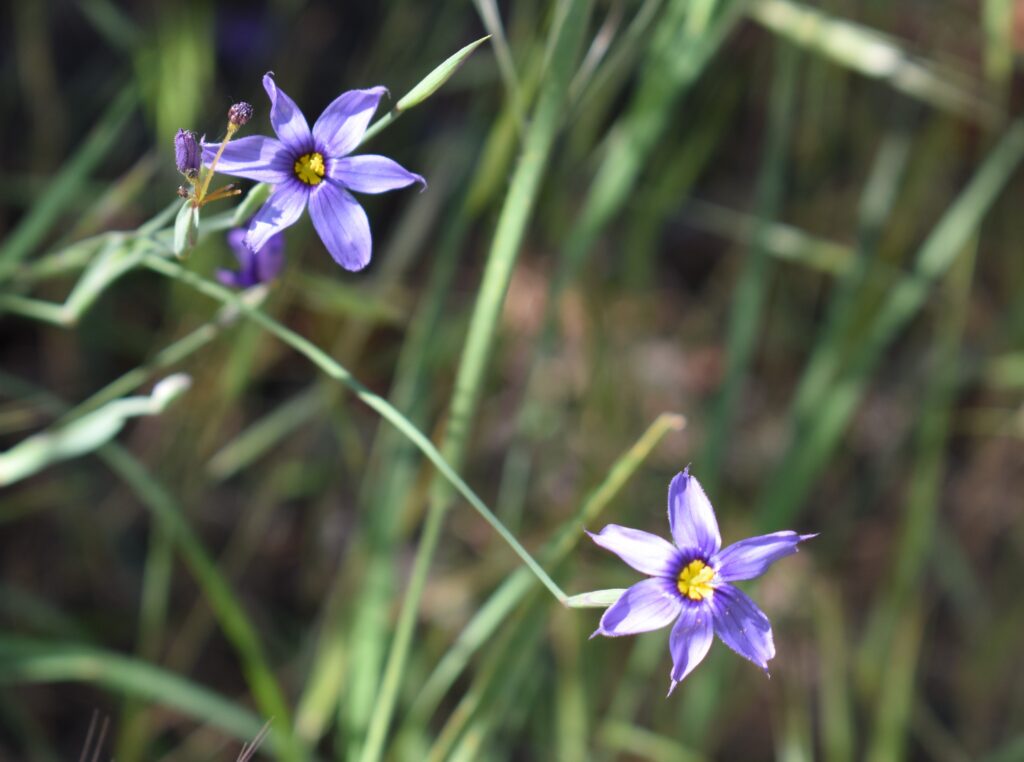 Above: Blue-eyed grass at Native Plant Nursery
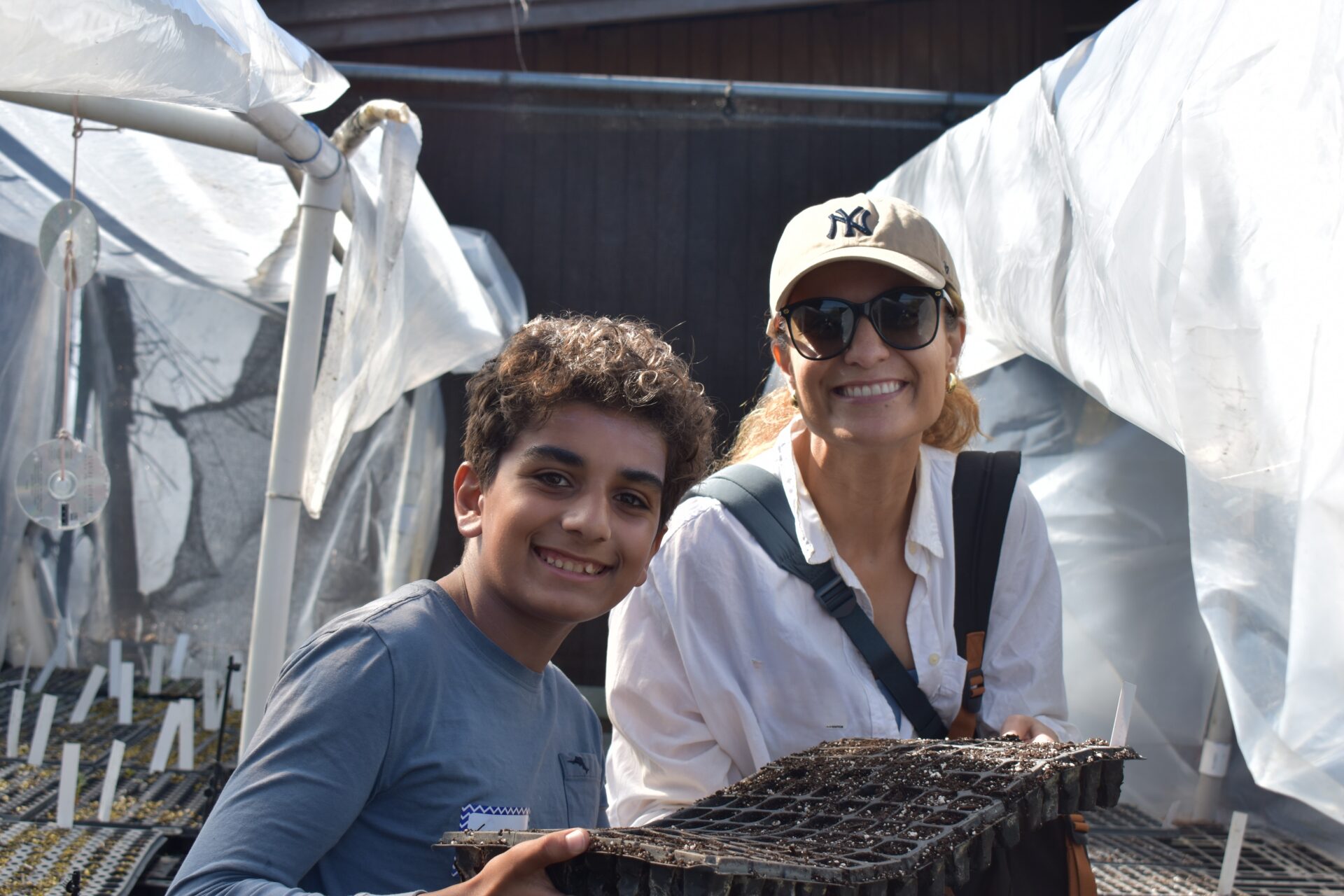
This Native Plant Month, Nature Collective is launching a pilot habitat-restoration-focused field trip program with the Solana Beach School District. As part of the experience, students tour the San Elijo Lagoon and learn about seed dispersal, helpful pollinators, and plant species native to the ecosystem, such as cheerful yellow bush sunflower (Encelia californica), fragrant California mugwort (Artemisia douglasiana), and towering, broad-leafed California sycamore (Platanus racemosa). By watering seeds into seedlings, transferring seedlings to larger pots, and monitoring plant health until they can be planted at active restoration sites, students gain hands-on experience supporting native plants through all stages of growth. With their help, along with our enthusiastic staff and dedicated volunteers, we grow 3,000 plants a year. With your help, we look forward to expanding this enriching, habitat-restoration-focused field trip to reach more students in the future!
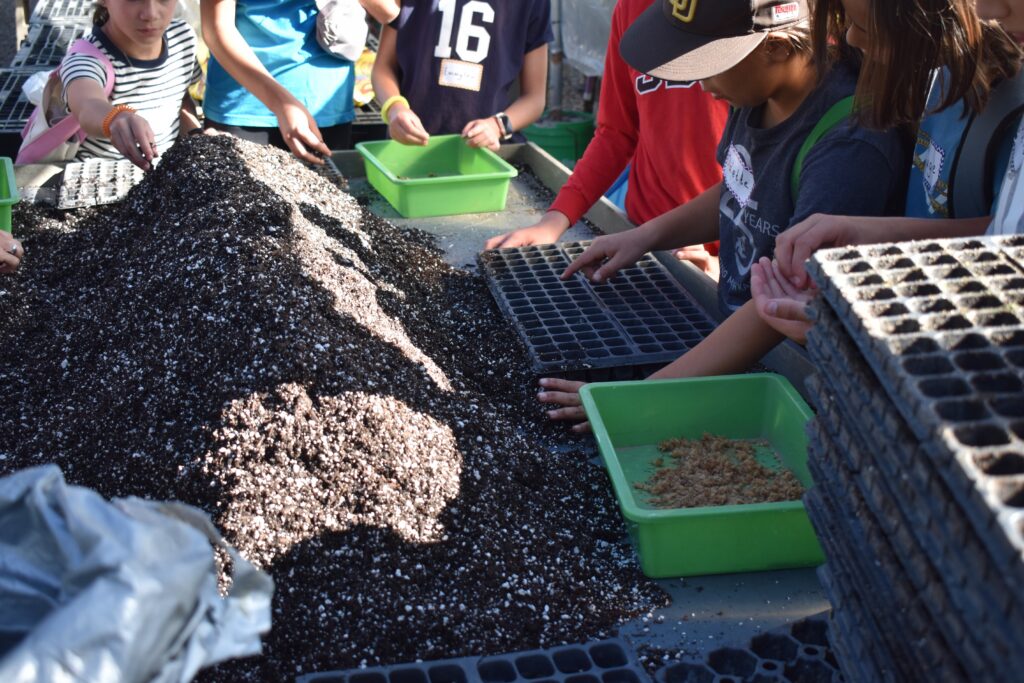 Above: Students plant seeds at Native Plant Nursery
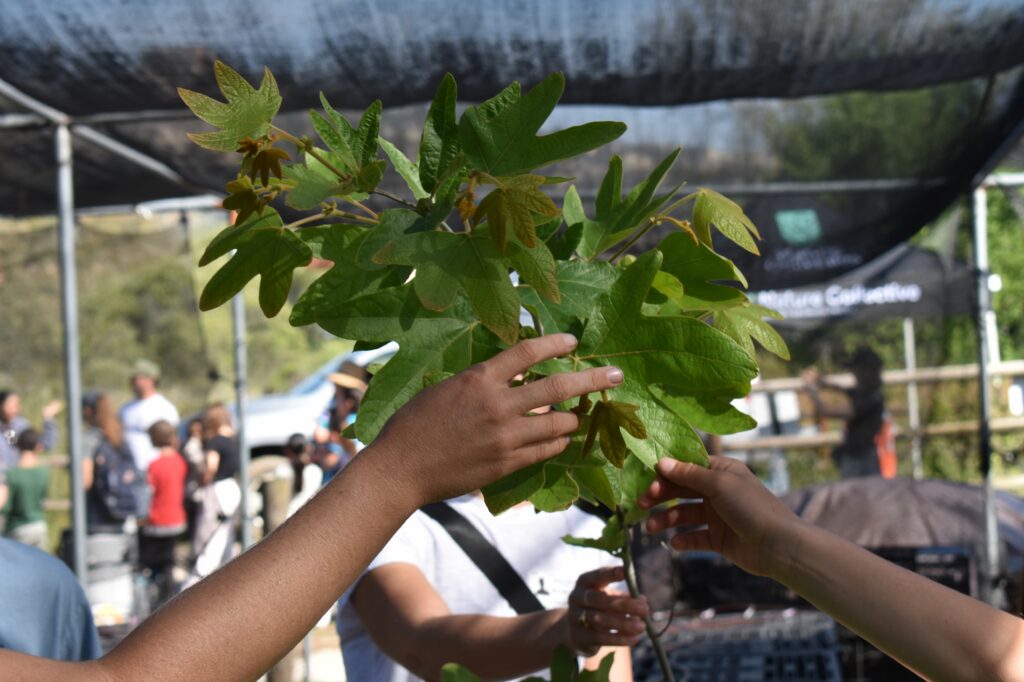 Above: Students feel the leaves of a California sycamore at the Native Plant Nursery
Like these eager students with their newfound native plant knowledge, you too can help celebrate natiev plants by pledging to grow native plant species in your own yard.
Wondering how else you can participate in Native Plant Month? Consider donating to organizations like Nature Collective, working to protect local biodiversity, joining one of our monthly habitat restoration events, and participating in the City Nature Challenge happening April 24-27, 2026.
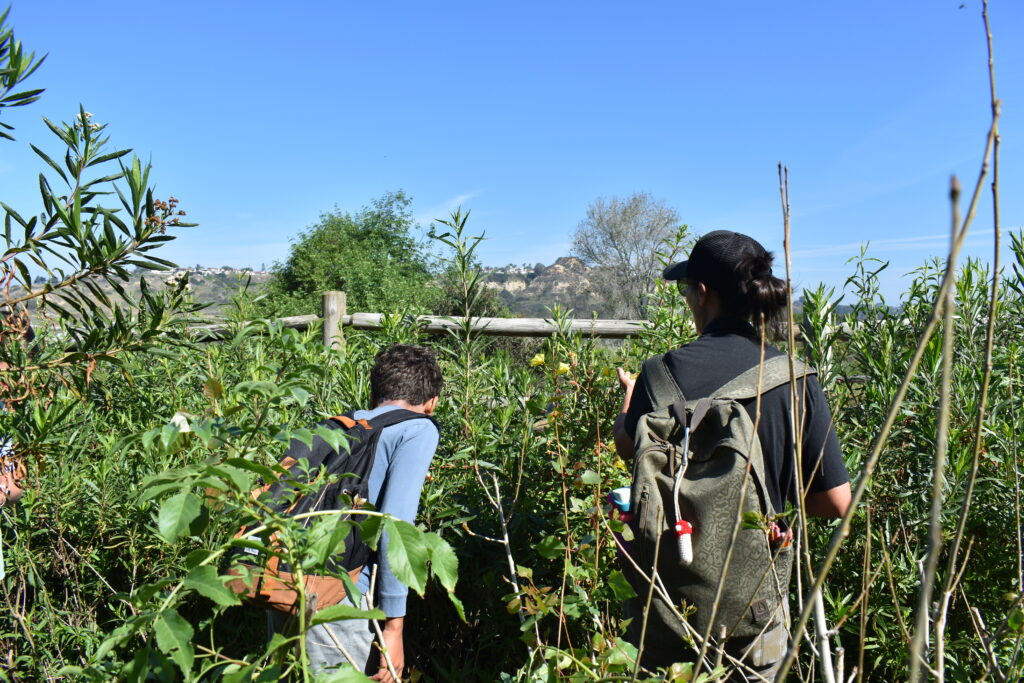 Above: Nature Collective Educator Leads Student on Tour of Native Plant Nursery
Follow ( 0 Followers ) X Follow E-mail : * Follow Unfollow