
Former Intern is Shaping San Marcos’ Future
Follow ( 0 Followers ) X Follow E-mail : * Follow Unfollow
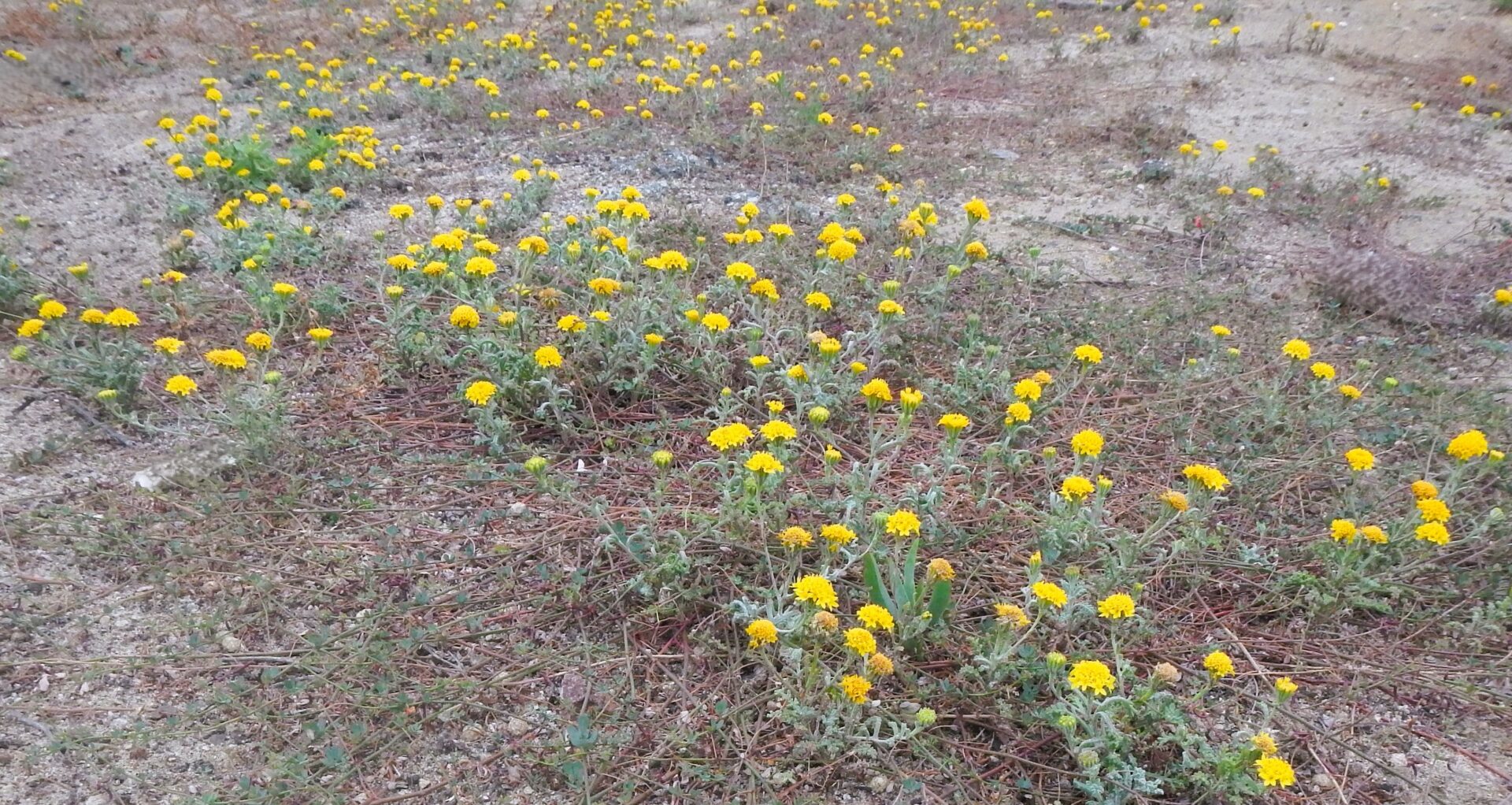
While wandering along the coastal dune communities of San Elijo Lagoon or along Habruagh Seaside Trails, you might miss it at first glance. But look closer, and you may find a splash of gold. This is Orcutt’s Pincushion (Chaenactis glabriuscula var. orcuttiana)—a rare, resilient beauty that calls our fragile coastline home. As a specialized variety of the more common Yellow Pincushion, the “Orcuttiana” is distinguished by its fleshy, succulent-like leaves and its remarkable ability to thrive in the harsh, salty environment of coastal strands and bluffs.
Why It’s So Rare? Unlike its inland cousins, Orcutt’s Pincushion is a true coastal specialist. It is a rare native found in narrow ribbons of land stretching from Santa Barbara down into Baja California. Because it requires undisturbed coastal dune habitat, it is facing a quiet crisis: habitat loss from development, non-native grasses choking out the open sandy spaces this annual herb needs to germinate, and increased recreational use of coastal dune habitat often destroys these delicate plants before they can drop their seeds for the next year.
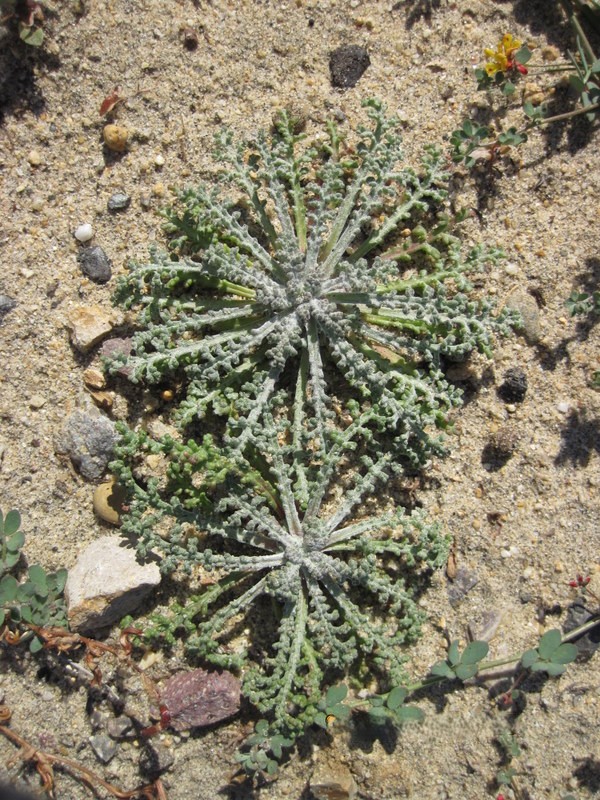 Above: Orcutt’s Pincushion before it blooms
In California, Orcutt’s Pincushion holds a Rare Plant Rank of 1B.1 according to the California Native Plant Society meaning it is seriously threatened and rare both here and elsewhere. Only a very few populations remain and we are so lucky to have a population within the lands we manage.
At Nature Collective, we believe every species is a thread in the coastal tapestry. Protecting Orcutt’s Pin Cushion isn’t just about one flower; it’s about:
-Pollinator Support: These bright yellow blooms provide vital nectar for native bees and butterflies during the spring and summer.
-Dune Stability: Their root systems help hold sand in place, supporting the structural integrity of dune habitat.
-Biodiversity Resilience: Rare plants often hold unique genetic traits that may be crucial for coastal adaptation as our climate changes.
We are working tirelessly, with your support, to monitor the this rare population and restore the habitat where it thrives. You can be a part of this survival story:
-Stay on the Path: When visiting coastal dune areas, use designated trails to avoid crushing this small and precious plants and seedlings.
-Volunteer for Restoration: Join us for our next Habitat Restoration event to help remove invasive non-native plants like Perez’s Sea Lavender.
-Build our Seed Bank: Help us collect seeds to ensure this variety never goes extinct.
Thank you for believing in the power of biodiversity. Would you like to help fund projects like habitat restoration for the Orcutt’s Pincushion? Donate Today.
Follow ( 0 Followers ) X Follow E-mail : * Follow Unfollow
Follow ( 0 Followers ) X Follow E-mail : * Follow Unfollow
Follow ( 0 Followers ) X Follow E-mail : * Follow Unfollow