
Former Intern is Shaping San Marcos’ Future
Follow ( 0 Followers ) X Follow E-mail : * Follow Unfollow
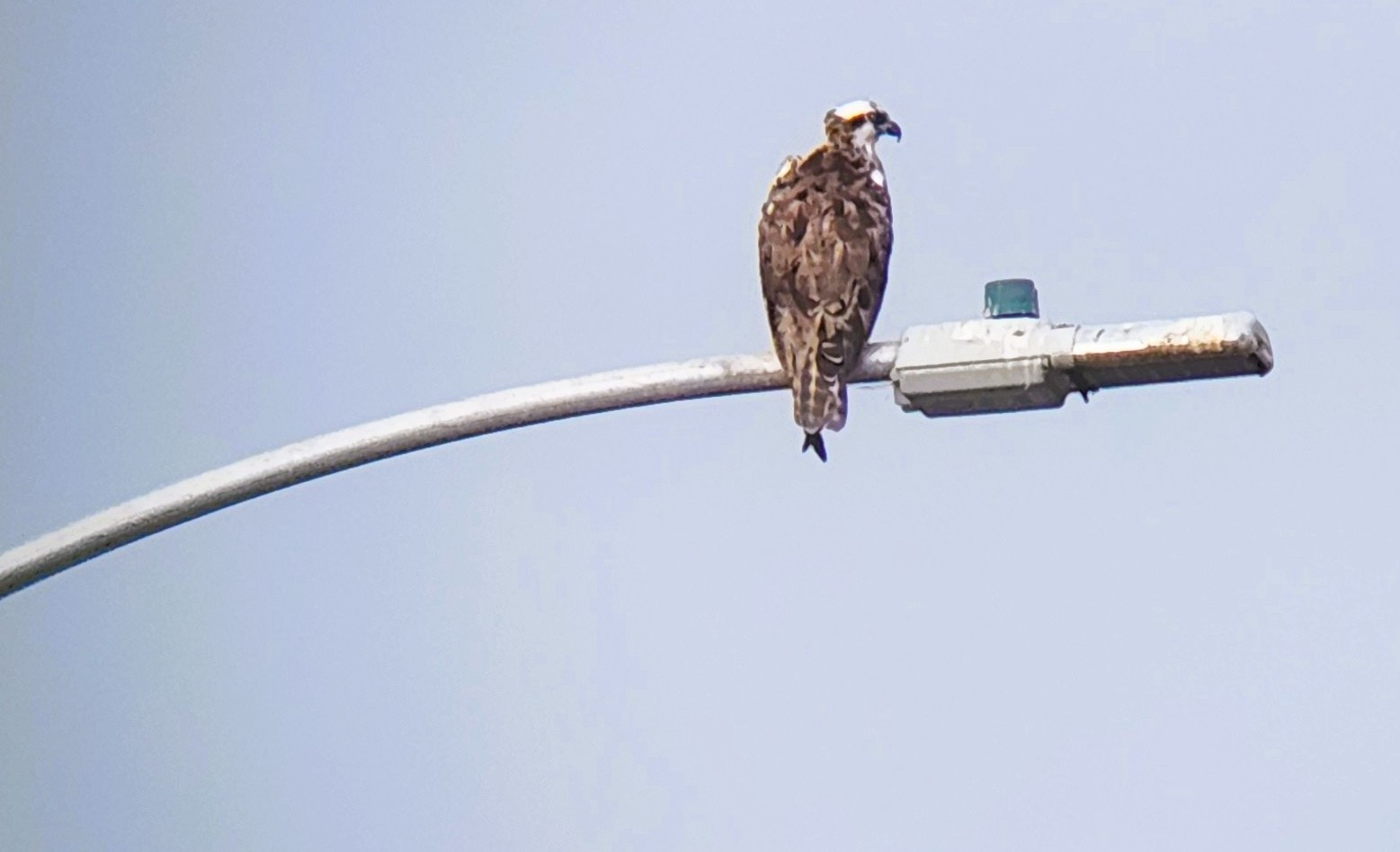
When wildlife makes its home alongside human infrastructure, balancing public safety with habitat protection requires vigilance, collaboration, and continuous monitoring.
Thanks to the dedicated support of our community, Nature Collective acted quickly last week after learning that SDG&E was removing a well-known Osprey nest from active power lines near Manchester Avenue in Encinitas.
Power lines pose significant fire risks when large stick nests accumulate on electrical equipment. Under agency-issued permits, energy providers are responsible for mitigating these hazards to protect surrounding communities.
When we were notified that the nest was being removed, our team immediately connected with an SDG&E environmental biologist on-site. The biologist confirmed that the work was agency-permitted, that the nest had been monitored for months leading up to the removal, and that the work was timed to ensure the nest’s three young fledglings were fully independent and no longer reliant on the structure before removal took place.
Since we arrived on-site after the nest removal and noticed activity from one fledgling that had yet to disperse, our team decided to monitor the area in the days that followed.
In the days following the nest’s removal, our biologist observed the young bird flying strongly across the San Elijo Lagoon Ecological Reserve. They then spotted the fledgling roosting securely in a snag (a natural dead tree) within the Reserve, a key milestone as it learns to find natural roosting spots on its own. Our latest observation showed the fledgling perched atop a nearby pole with a fresh fish in its talons, confirming that it is successfully hunting and feeding itself! If you look closely at the photo above, you will see the fish’s tail.
Looking Ahead: Ospreys are known to return to the the same spot year after year to nest. Because next spring will likely bring new nesting activity, our team is already working proactively with our partner agencies to explore long-term solutions.
However, designing or introducing alternative nesting platforms requires careful ecological balance. For example, installing a high perch nearby must be weighed against potential impacts on other sensitive species in the lagoon, such as the endangered California Least Tern (recently observed in the east basin) and endangered Ridgway’s Rail populations, as well as the need to establish long-term monitoring protocols.
Because of you and your financial support, Nature Collective can be on the ground, monitoring wildlife, engaging in dialogue with neighbors and agency partners, and ensuring that balanced, science-based solutions protect all the species that call San Elijo Lagoon and the surrounding areas home.
We will continue to keep you updated, thank you for your continued passion in nature, and for making this vital monitoring work possible!
Follow ( 0 Followers ) X Follow E-mail : * Follow Unfollow
Follow ( 0 Followers ) X Follow E-mail : * Follow Unfollow
Follow ( 0 Followers ) X Follow E-mail : * Follow Unfollow