
Waters of San Elijo Lagoon
Follow ( 0 Followers ) X Follow E-mail : * Follow Unfollow
If you have taken a stroll along the trails of San Elijo Lagoon recently, you might have noticed just how remarkably clear the water looks. Visitors who have frequented these trails for decades are spotting small schools of fish darting below, stingrays gliding beneath the surface, and large striped mullets diving into the channels, all with unprecedented visibility. This dramatic transformation comes down to a combination of intentional restoration, dynamic tides, and a little weather-related luck.
The primary driver behind this increased water clarity is the success of the San Elijo Lagoon Restoration Project. Water clarity in the lagoon naturally fluctuates, with incoming tides bringing in clear, low-turbidity ocean water, while freshwater runoff from the inland watershed carries more suspended sediment. By tripling the lagoon’s tidal prism—the total volume of water exchanged between the lagoon and the Pacific Ocean during a single tidal cycle—the restoration project dramatically increased the daily influx of ocean water. With significantly more ocean water flushing through the system, the lagoon now maintains far better overall clarity than it did historically.
Striking water clarity on any given day depends on several environmental factors aligning at once. Peak visibility occurs when an incoming tide coincides with favorable lighting, a high sun angle, and calm winds that minimize surface ripples. The pedestrian bridges installed during the restoration offer the best vantage point, elevating viewers directly over the channel for an optimal, glare-free view into the water column. Visitors should enjoy these crystal-clear views while they last this week. Rain is expected over the weekend, and because the lagoon receives runoff from the entire Escondido Creek watershed, incoming stormwater will temporarily increase turbidity and cloud the channels before the daily ocean tides reset the system. Water clarity also decreases when the inlet closes because sand accumulates at the beach, and the lagoon channel can no longer connect to the Pacific Ocean’s tidal waters.
Behind the scenes, our staff and water quality interns closely monitor these shifts by collecting weekly samples, downloading data from continuous monitoring stations, and sampling during storm events. This information plays a vital role in tracking ecosystem health.
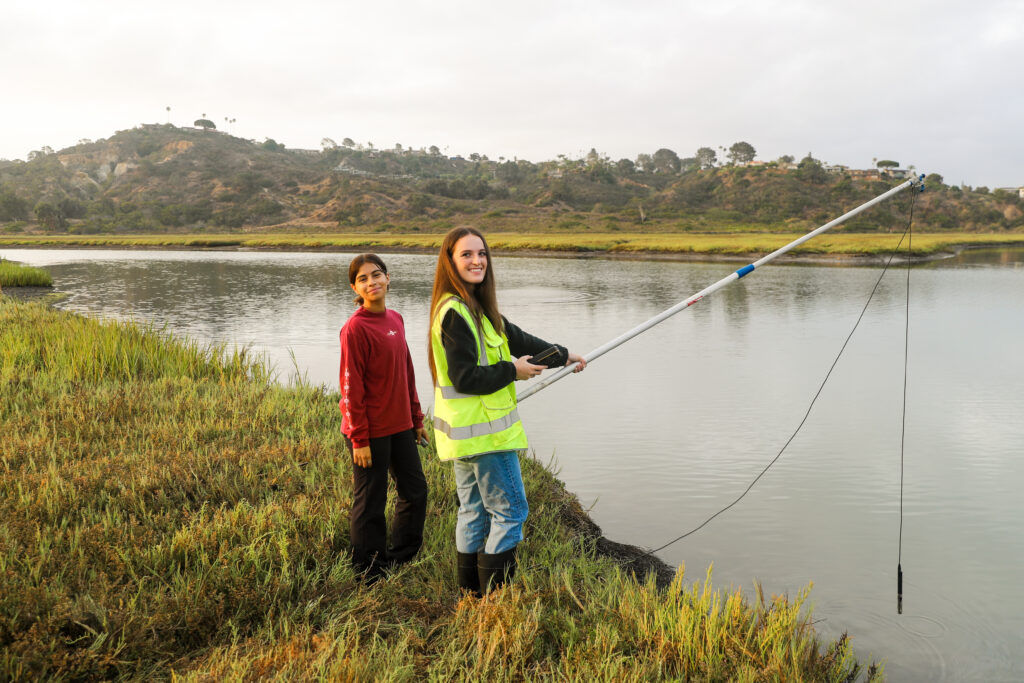 Above: Water quality testing at San Elijo Lagoon
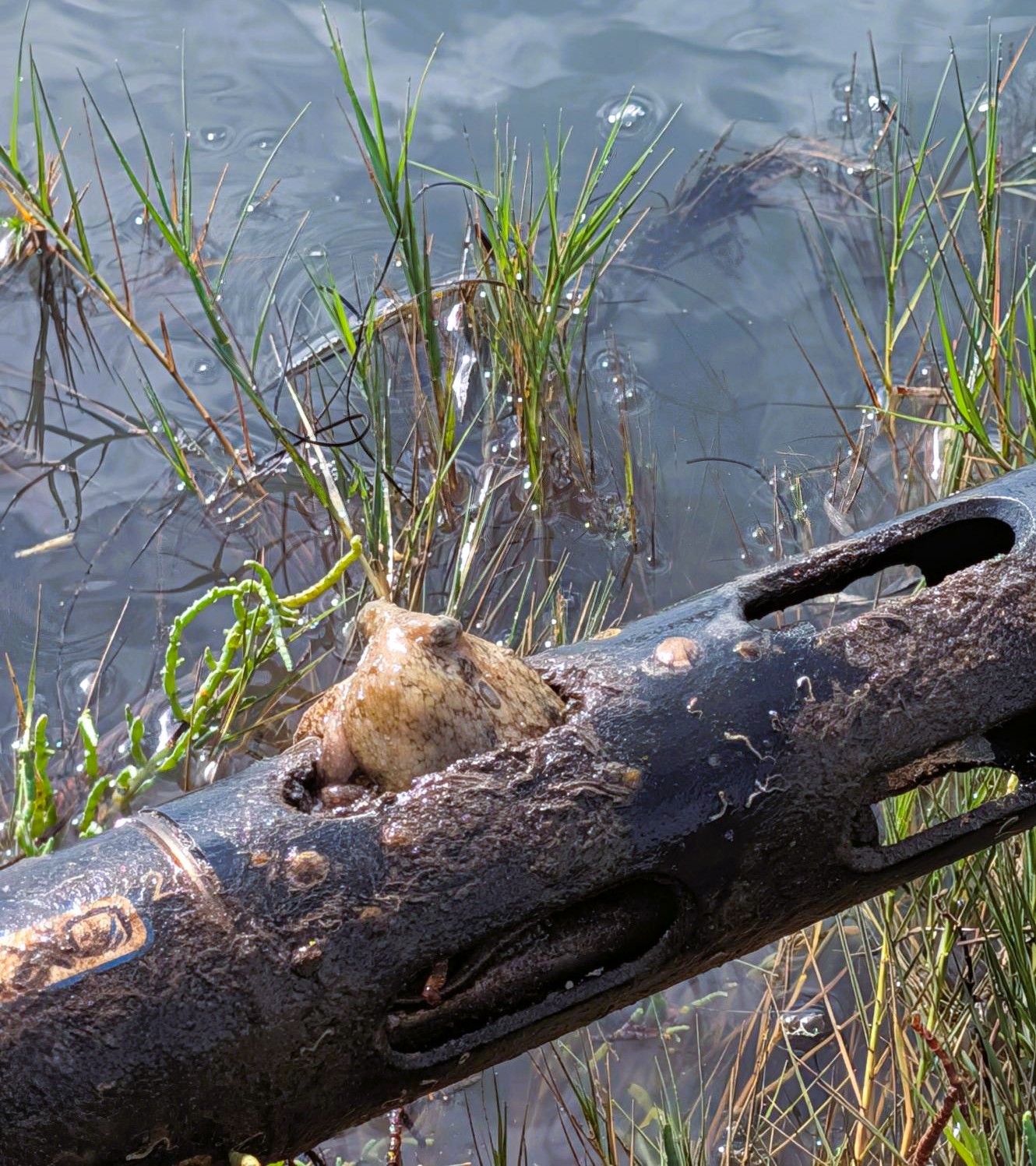
Fieldwork also brings fun surprises: while retrieving, cleaning, and recalibrating one of our submerged Sonde monitoring devices, our team discovered a small octopus clinging to the equipment. Nature Collective’s Integrated intern Jason Wilder had the exciting opportunity to experience the encounter firsthand and snap a quick photo before the curious creature slipped safely back into the lagoon channels.
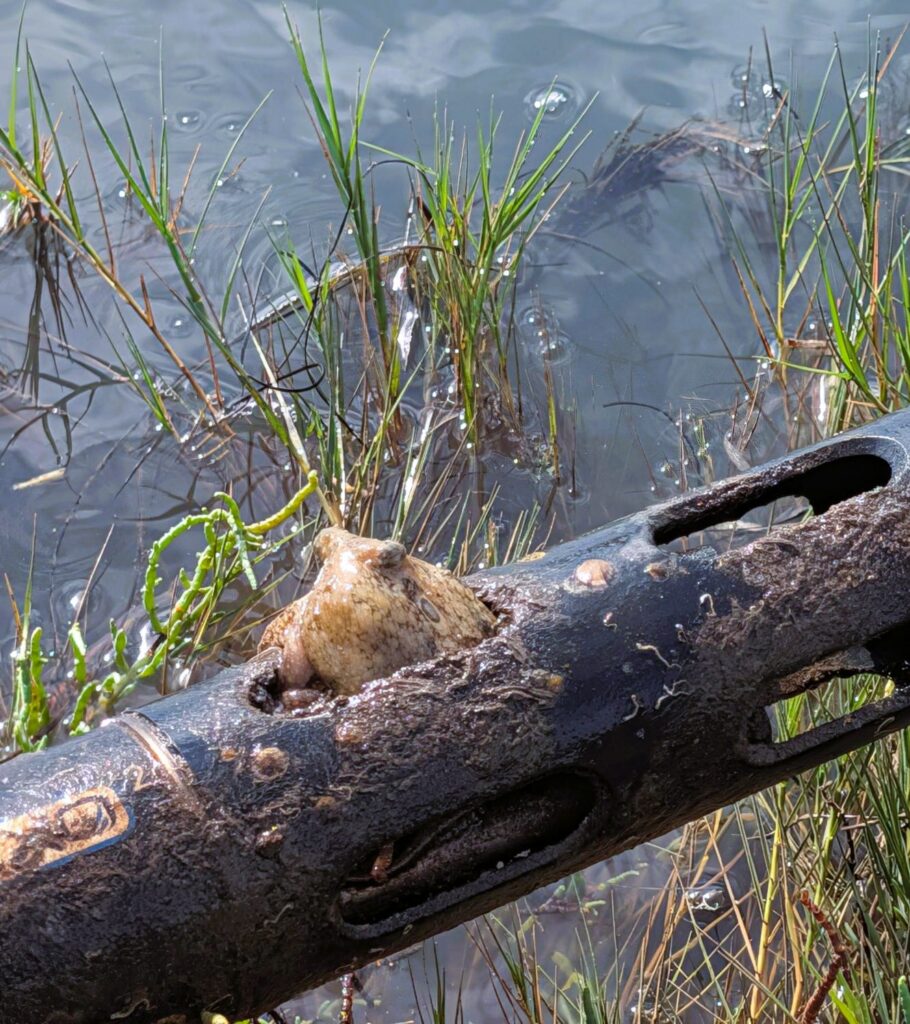 Above: Octopus in Sonde monitoring device
Follow ( 0 Followers ) X Follow E-mail : * Follow Unfollow
Follow ( 0 Followers ) X Follow E-mail : * Follow Unfollow